Superb
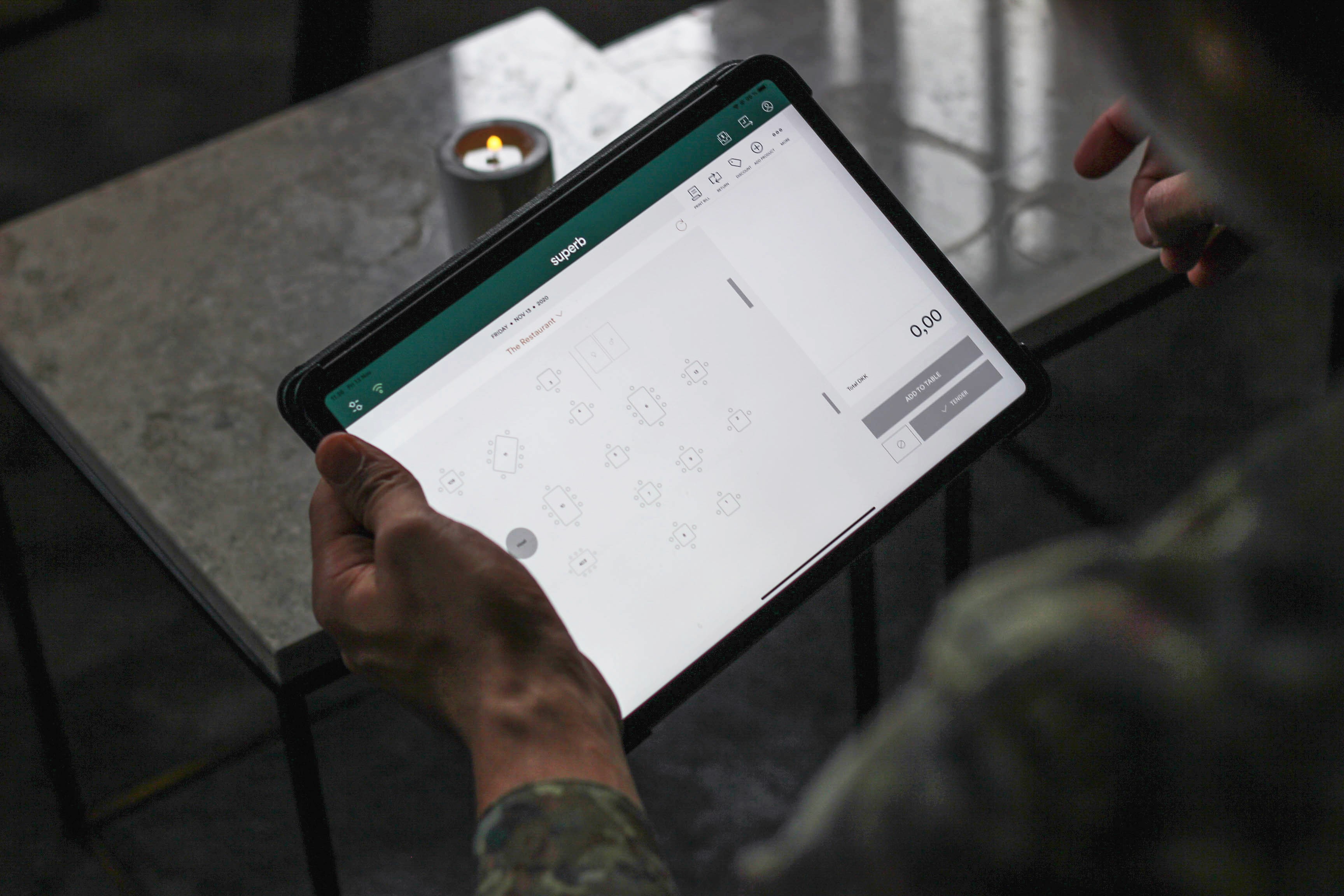
A front and back of house tool, helping restaurants deliver the best guest experience backed by data
Superb
A front and back of house tool, helping restaurants deliver the best guest experience backed by data
My contribution
Role: Product Designer
Team: Product Manager, Front End Developer, Back End Developer
Disciplines: Research design, analysis, and interaction design, Design System.
Context and Problem
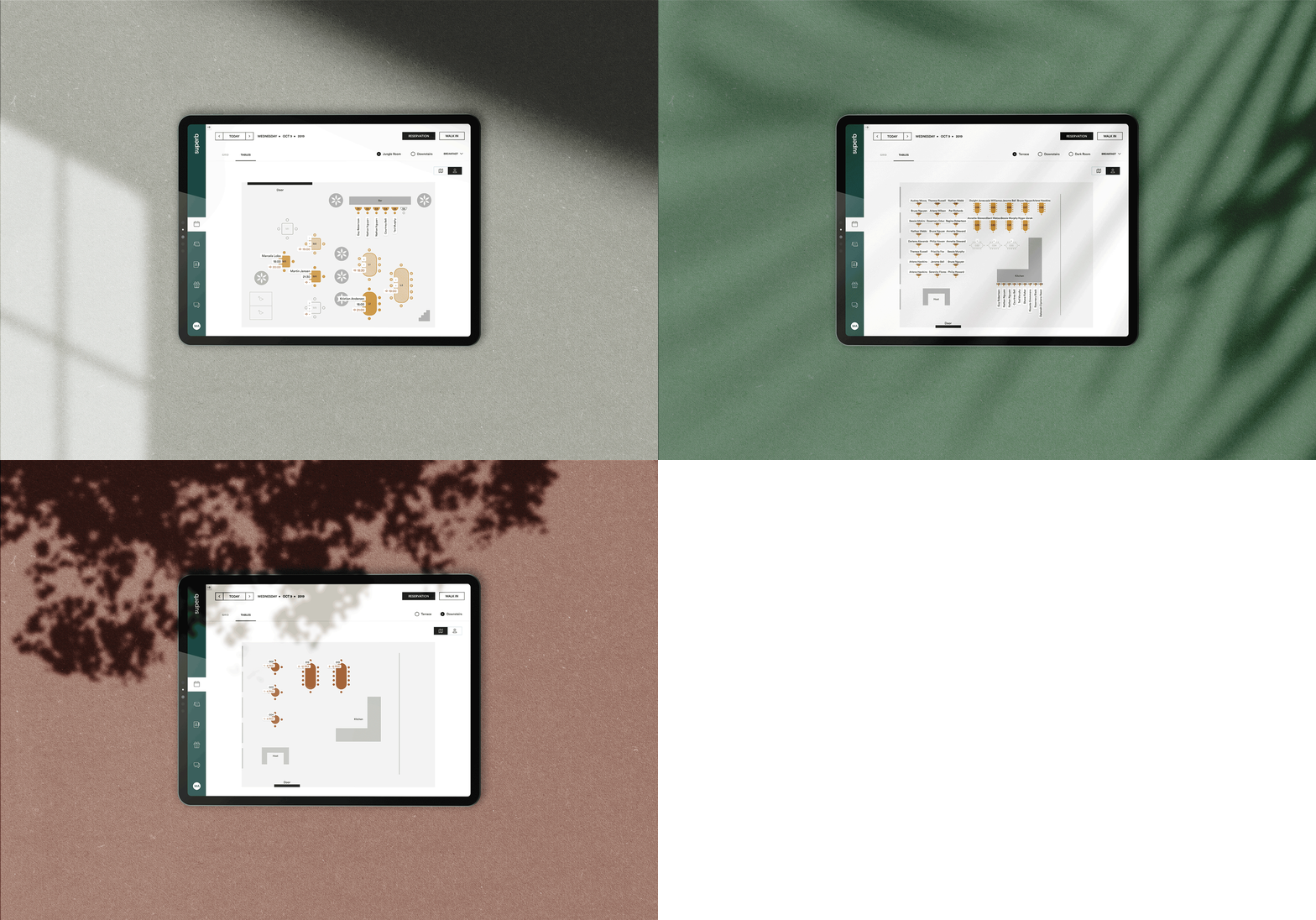
Superb is a data-driven reservation system on a mission to empower restaurants with insights for an exceptional guest experience. Their all-encompassing product streamlines booking, reservation management, restaurant setup, and includes essential POS and payment solutions.
Challenges and How We Explored Them
Back and Front of house experiences
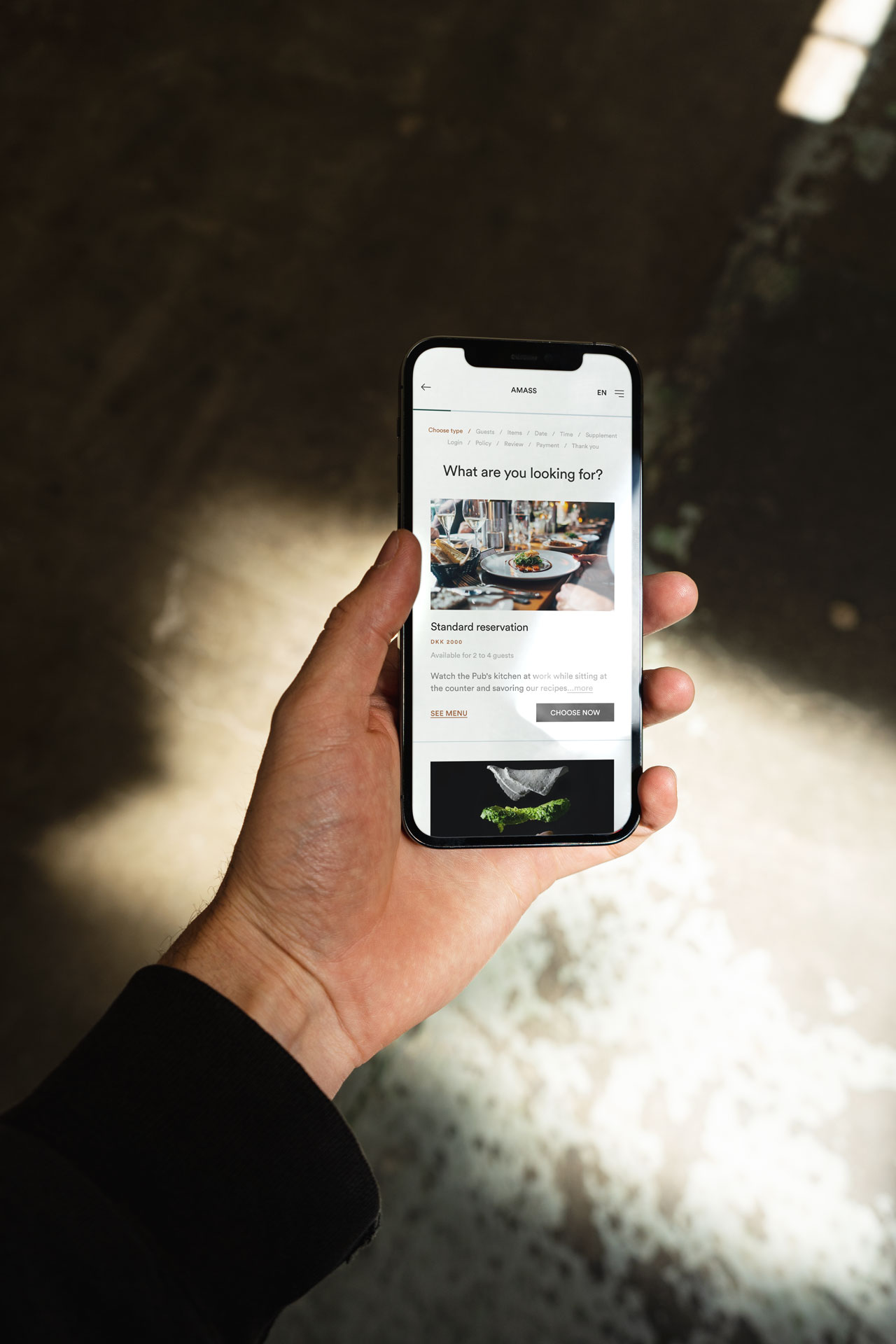
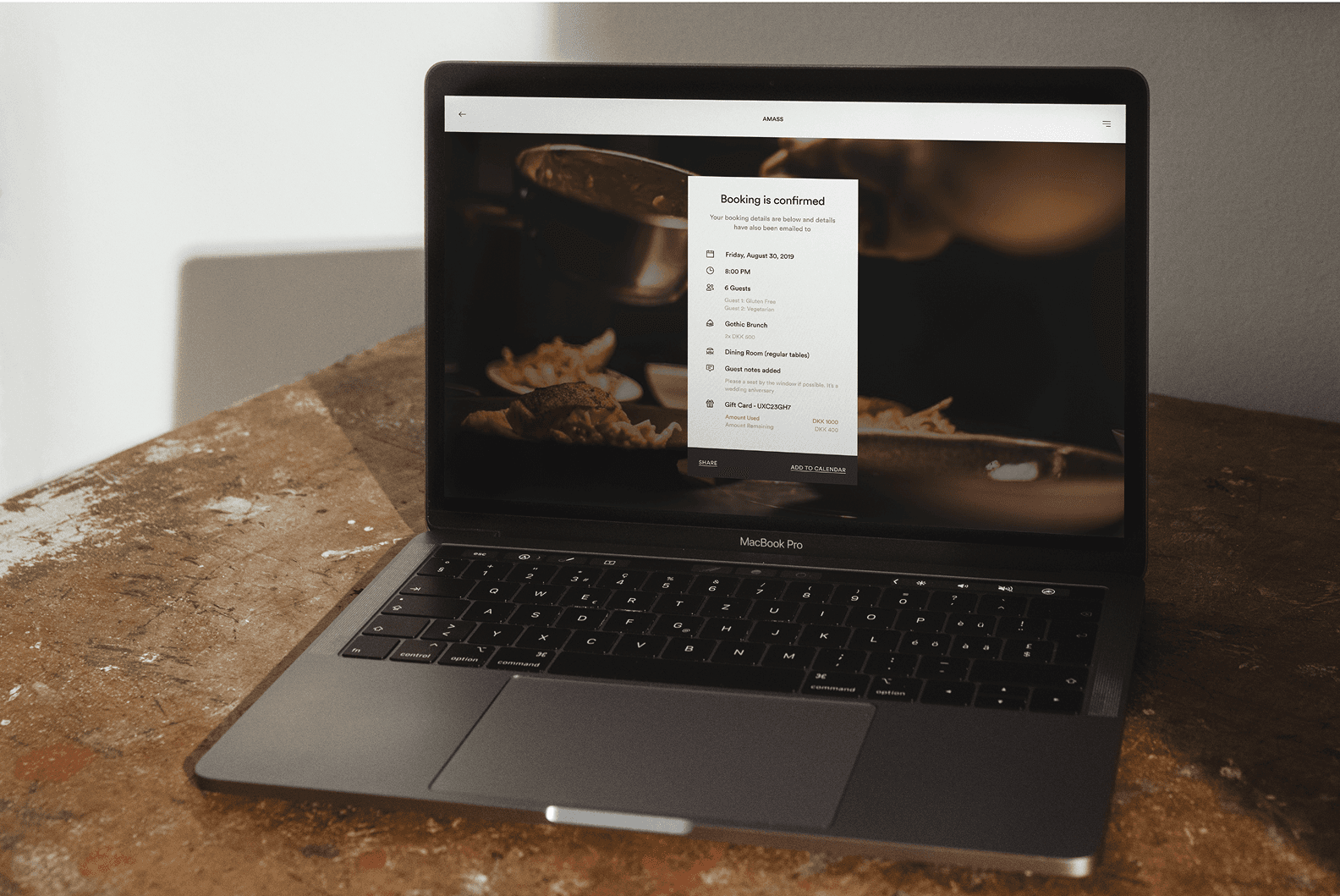
Restaurant staff need efficiency, speed, and clarity during service. Guests need trust, simplicity, and reassurance, often on small screens and under time pressure.
How we explored it
Contextual interviews with owners, managers, and floor staff
Mapping service-time vs. non-service-time workflows
Identifying where precision mattered more than delight, and vice-versa
Restaurants of different sizes
A small restaurant and a chain share goals, but not complexity.
How we explored it
Archetyping restaurants by operational complexity and experience delivery
Having a varied set of personas which included all personel with the different requirements for the restaurant sizes
WebApp and Native iOS Apps
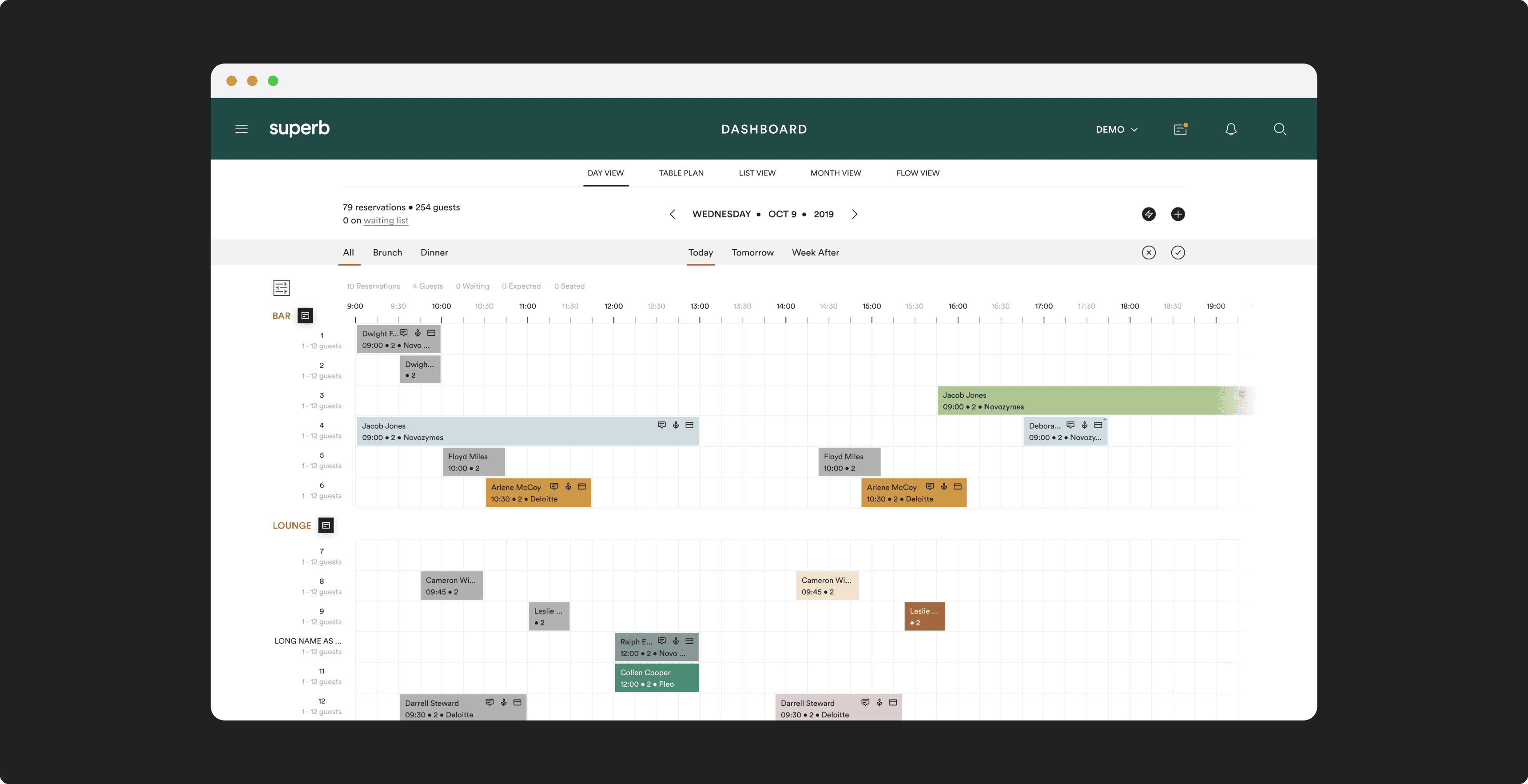
The same system had to work: on desktop during planning and reporting and on iPad/iPhone during live service
How we explored it
Journey mapping by context of use, not platform
Identifying moments that required glanceability vs. deep focus
Defining platform-specific interaction patterns within a shared system
Key decisions + design principles
Consistency across surfaces, not identical UI
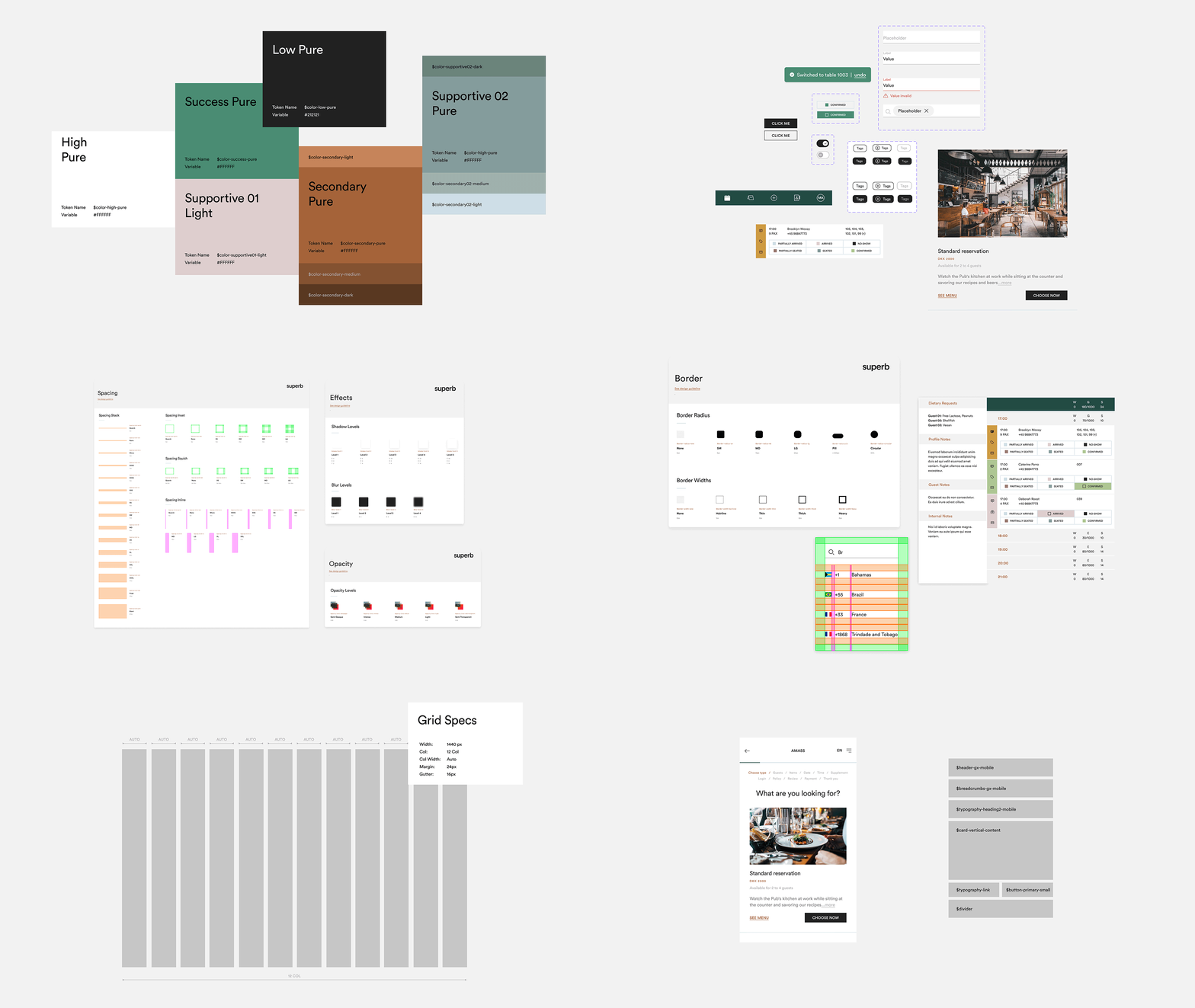
We built a design system that ensured shared mental models across web and native platforms, while allowing each surface to adapt to its context of use. This made the product feel like one coherent system without forcing platform-inappropriate patterns, and allowed us to scale features and plan tiers without fragmenting the experience.In-app upgrades over hard paywalls
Rather than blocking users with hard paywalls, we designed upgrade moments directly within relevant workflows. This allowed users to understand the value of advanced features in context, reduced friction during critical tasks, and aligned monetization with user trust instead of interruption.Options over clicks
In live service environments, speed and clarity matter more than minimal interfaces. We prioritized surfacing key actions and options upfront, reducing navigation depth and cognitive load. This helped restaurant staff act quickly and confidently during high-pressure moments.
Impact
Design and user experience became a core part of Superb’s value proposition, supporting the company’s first Series A raise
Net Promoter Score increased from 6.5 to 8.6
Built a strong group of early evangelists among restaurant owners and staff, driving word-of-mouth adoption
My contribution
Role: Product Designer
Team: Product Manager, Front End Developer, Back End Developer
Disciplines: Research design, analysis, and interaction design, Design System.
Context and Problem
Superb is a data-driven reservation system on a mission to empower restaurants with insights for an exceptional guest experience. Their all-encompassing product streamlines booking, reservation management, restaurant setup, and includes essential POS and payment solutions.
Challenges and How We Explored Them
Back and Front of house experiences
Restaurant staff need efficiency, speed, and clarity during service. Guests need trust, simplicity, and reassurance, often on small screens and under time pressure.
How we explored it
Contextual interviews with owners, managers, and floor staff
Mapping service-time vs. non-service-time workflows
Identifying where precision mattered more than delight, and vice-versa
Restaurants of different sizes
A small restaurant and a chain share goals, but not complexity.
How we explored it
Archetyping restaurants by operational complexity and experience delivery
Having a varied set of personas which included all personel with the different requirements for the restaurant sizes
WebApp and Native iOS Apps
The same system had to work: on desktop during planning and reporting and on iPad/iPhone during live service
How we explored it
Journey mapping by context of use, not platform
Identifying moments that required glanceability vs. deep focus
Defining platform-specific interaction patterns within a shared system
Key decisions + design principles
Consistency across surfaces, not identical UI
We built a design system that ensured shared mental models across web and native platforms, while allowing each surface to adapt to its context of use. This made the product feel like one coherent system without forcing platform-inappropriate patterns, and allowed us to scale features and plan tiers without fragmenting the experience.In-app upgrades over hard paywalls
Rather than blocking users with hard paywalls, we designed upgrade moments directly within relevant workflows. This allowed users to understand the value of advanced features in context, reduced friction during critical tasks, and aligned monetization with user trust instead of interruption.Options over clicks
In live service environments, speed and clarity matter more than minimal interfaces. We prioritized surfacing key actions and options upfront, reducing navigation depth and cognitive load. This helped restaurant staff act quickly and confidently during high-pressure moments.
Impact
Design and user experience became a core part of Superb’s value proposition, supporting the company’s first Series A raise
Net Promoter Score increased from 6.5 to 8.6
Built a strong group of early evangelists among restaurant owners and staff, driving word-of-mouth adoption
Check out other projects